
SHOOTIX EDITORIAL
Medical Photography Patient Consent in the UAE: What You Need to Know
9 October 2026
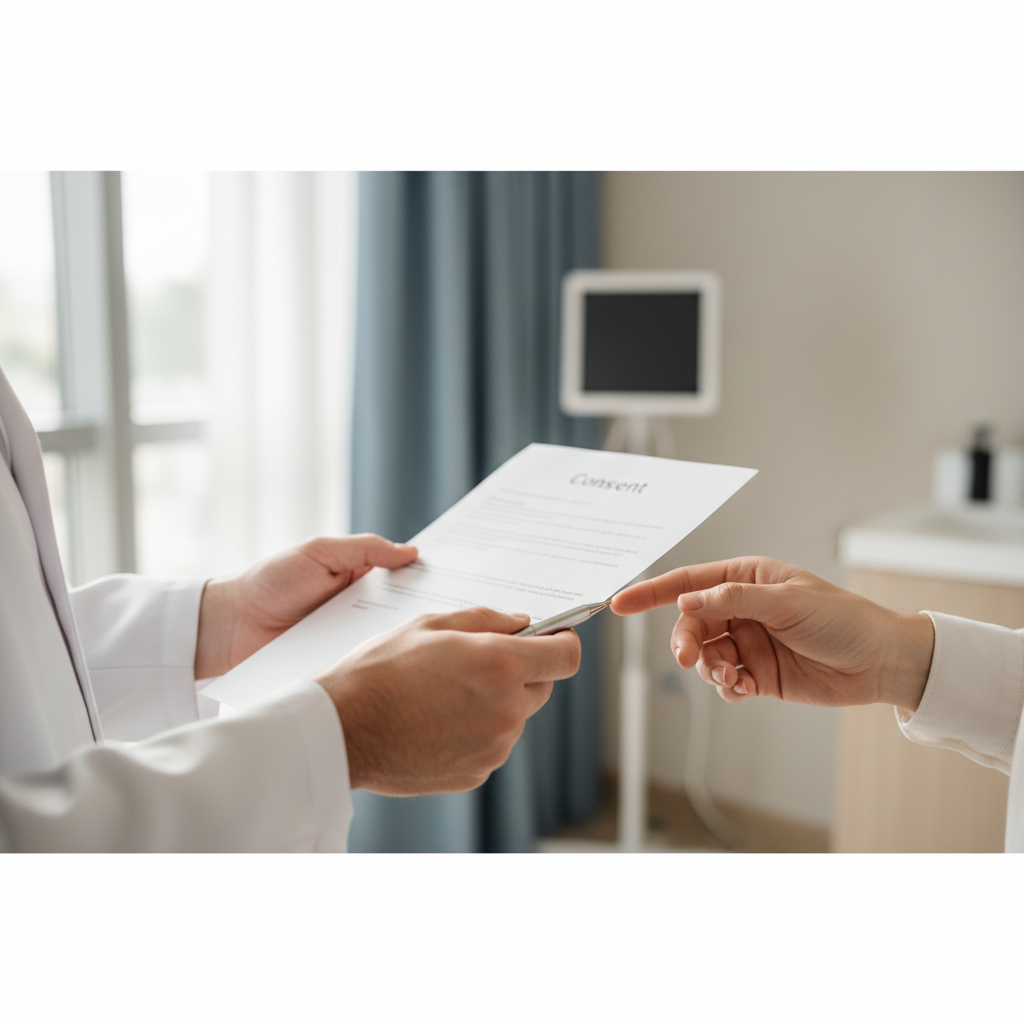
Obtaining proper patient consent for medical photography in the UAE is a legal and ethical requirement, not just a best practice. This applies whether you're shooting in a clinic in Dubai Healthcare City or a hospital in Abu Dhabi. Without explicit, informed consent, any images taken could lead to significant legal issues and a breach of patient trust.
Consent for medical photography must be specific. It's not enough to have a general consent form for treatment. The patient needs to understand exactly what images will be taken, why they are being taken, how they will be stored, and who will have access to them. This is particularly important for sensitive areas or conditions.
What kind of consent is required for medical photos?
Written consent is always the safest and most legally sound approach for medical photography in the UAE. While verbal consent might be acceptable in some emergency situations, it's difficult to prove if challenged. A signed document clearly outlining the scope of the photography, its purpose, and the patient's rights provides clear evidence of informed agreement.
The consent form should be in a language the patient fully understands. If the patient does not speak Arabic or English, an official translator should be present to ensure they comprehend all aspects of the consent. Never rely on family members or non-professional staff for translation of such critical documents.
What details should a medical photography consent form include?
A comprehensive consent form for medical photography in the UAE should detail several key points. It needs to specify the exact body parts or areas to be photographed and the reason for the photography, such as for diagnosis, treatment planning, or documentation of progress. The form should also clearly state how the images will be used – for example, solely within the patient's medical record, for teaching purposes, or for publication in medical journals.
The patient must be informed of their right to withdraw consent at any time, even after the photos have been taken. They should also understand how their privacy will be protected, including storage methods and who will have access to the images. Anonymisation of images, where appropriate, should also be discussed.
What are the practical considerations for photographers?
As a photographer working in a medical setting, your role extends beyond technical skill. You must ensure the patient's dignity and privacy are maintained throughout the shoot. This means using appropriate draping, ensuring only necessary personnel are present, and being efficient to minimise discomfort.
For example, if you're photographing a dermatological condition in a clinic in Jumeirah, ensure the room is private and secure. Always confirm with the medical staff that consent has been properly obtained before you even set up your equipment. Never assume consent has been given; always verify.
What happens if consent isn't obtained?
Failing to obtain proper consent for medical photography in the UAE can have serious repercussions. It can lead to legal action for assault, battery, or invasion of privacy. Healthcare facilities and individual practitioners can face hefty fines, reputational damage, and even loss of license. For photographers, it can mean being barred from working in medical environments.
This is why many hospitals and clinics have strict protocols, often requiring a witness signature on consent forms and clear documentation within the patient's file. Always adhere to the specific policies of the facility you are working in, as these may go beyond general legal requirements.
How does Shootix handle medical photography bookings?
When you book a medical photography shoot through Shootix, the responsibility for obtaining patient consent remains with the healthcare provider or client. Our professionals are briefed on the importance of patient privacy and ethical conduct, but they rely on the client to ensure all necessary legal and ethical permissions are in place before the shoot begins. A one-hour photography booking costs AED 699, while a half-day (4 hours) is AED 1700, providing 10-25 edited photos per hour.
We recommend discussing the specific consent procedures with your chosen photographer or videographer before the shoot date. This ensures everyone is aligned and the session runs smoothly and ethically. For more details on booking photography or videography services, you can visit our pricing page or explore options for corporate headshots in Dubai if your needs are for staff portraits rather than patient imaging.